- Tel: +8613911709825 /
- Email: ry@rays-casting.com /


-
Business PhilosophyCustomer Focus Customer Trust
-
ValuesResponsibility enterprise quality sustainability
-
Quality philosophyCraftsmanship creates excellent quality and defines the future
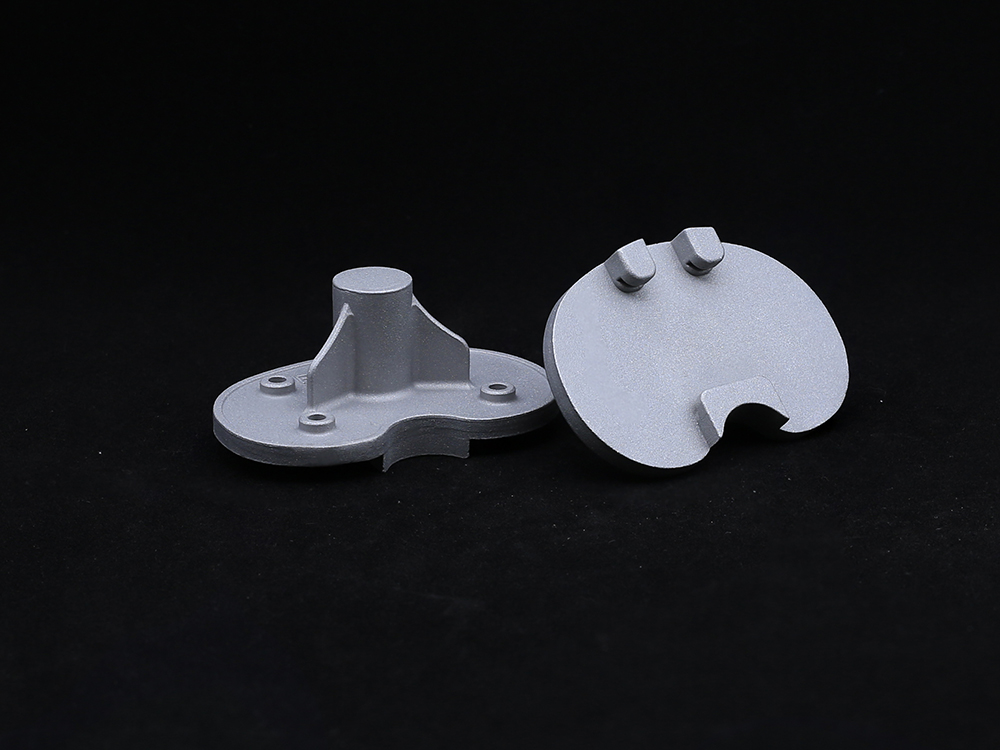
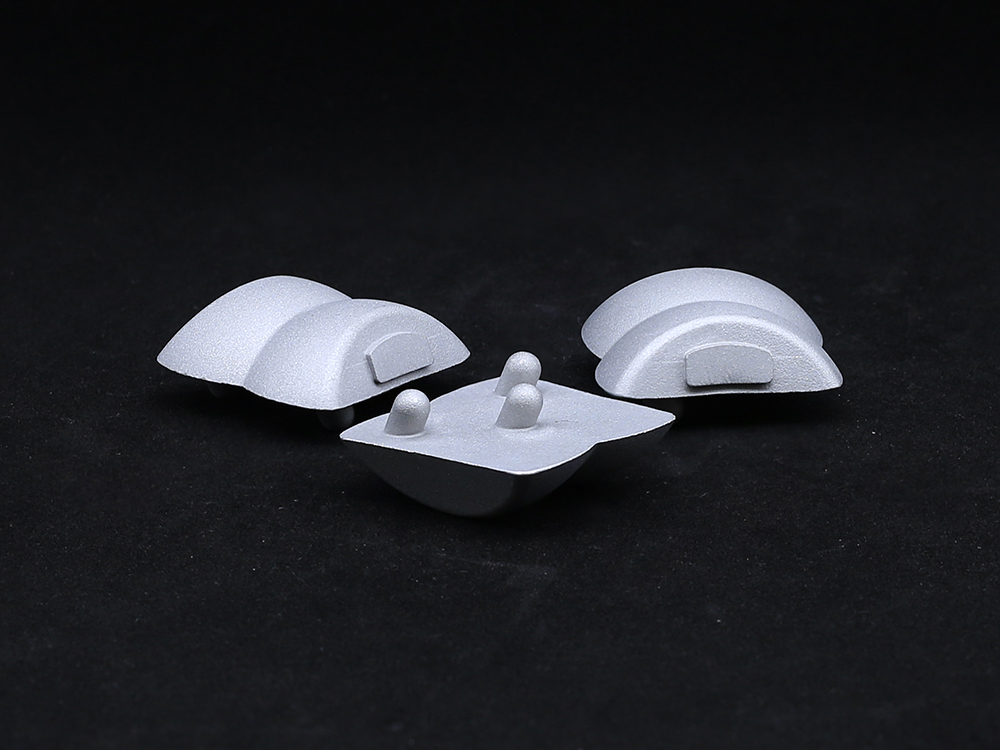
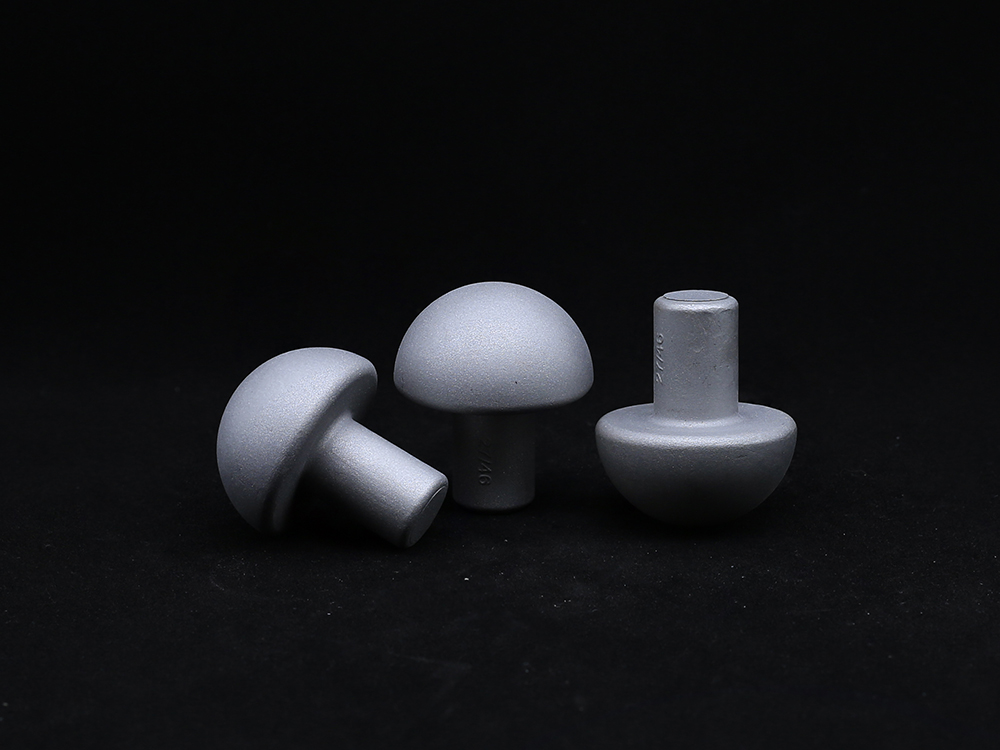


after orthopedic knee surgery
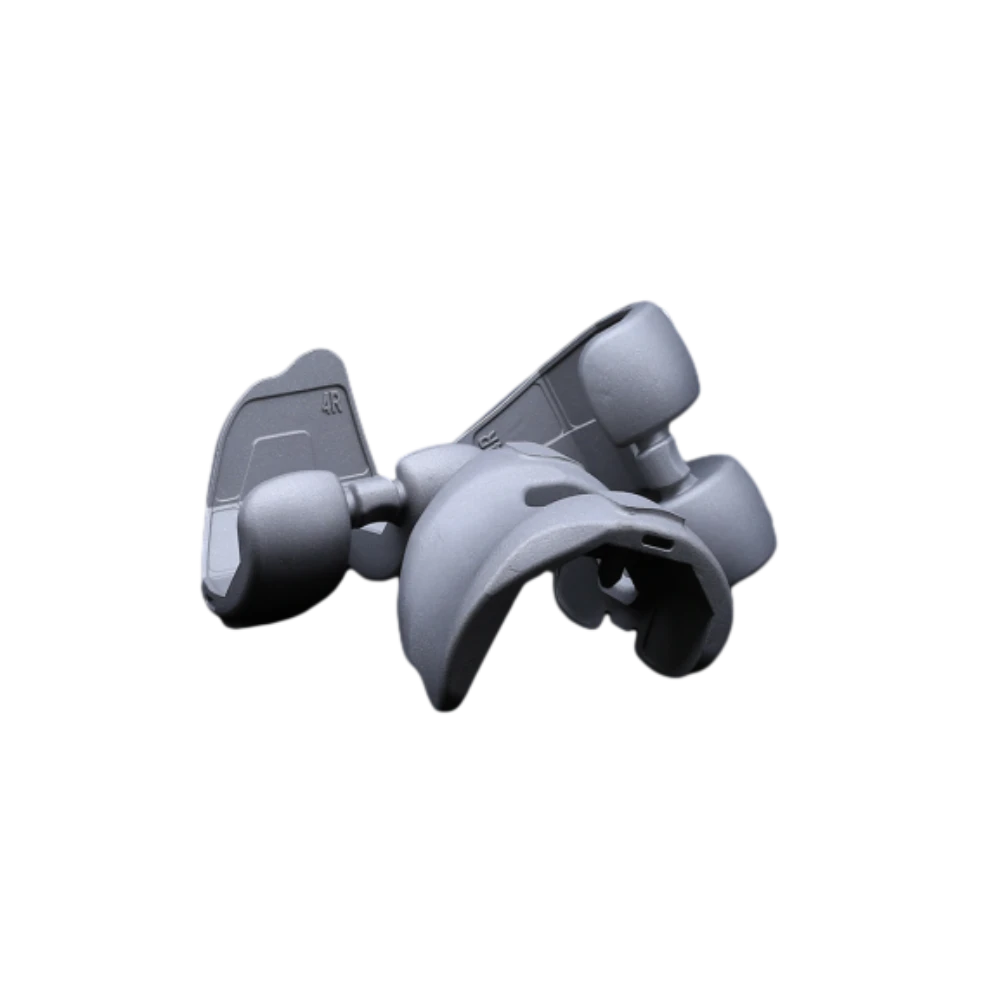
Explore the frontier of orthopedic implant technology with the Revision Femoral Condyle , a critical solution for complex knee revision surgeries. This report combines up-to-date industry analyses, technical parameters, manufacturing insights, and verified clinical data to provide an authoritative, EEAT-compliant resource for decision makers and practitioners. 1. Revision Femoral Condyle Market and Technology Trends Global Market CAGR (2023-2028): 5.7% ( MRFR ) Key Segments: High-tolerance cobalt-chrome & titanium alloys, advanced surface coatings (TiN, hydroxyapatite), and patient-specific solutions. Clinical Demand: Increase in revision knee surgeries due to aging population and prior implant failures (over 110,000 procedures annually in the US alone - AAOS 2023). Technological Advancements: Custom-milled revisions (CNC), precision-casting, anti-microbial and advanced oxidation-resistant coatings. Compliance: Must adhere to ISO 5832 (Orthopaedic Implants), ASTM F75/F136 , and often require FDA 510(k) certification for U.S. market access. 2. Revision Femoral Condyle Technical Parameter Table Parameter Revision Femoral Condyle Industry Standard Remark Material Cobalt-Chrome Alloy (CoCrMo) / Titanium Alloy (Ti-6Al-4V) ISO 5832/ASTM F75/ASTM F136 Biocompatible, high wear resistance Surface Coating TiN, HA (Hydroxyapatite), Porous Titanium ISO 13779 Enhanced osseointegration, reduced friction Flexural Strength > 900 MPa ASTM F382 High load tolerance Corrosion Resistance > 0.5 μm/year (in PBS, 37°C) ISO 10271 Superior to standard implants Fatigue Life > 10 Million Cycles ISO 7206-4/ISO 7206-6 Suitable for long-term use Size Range 50-80 mm (AP), 60-90 mm (ML) Patient anatomy matched Customizable Average Longevity 15-20 years Peer review literature High-performance alloy 3. Revision Femoral Condyle Manufacturing Process Flow Process Overview Diagram: Design & Modelling → Material Selection → Precision Casting / Forging → CNC Finish Machining → Surface Treatment & Coating → Quality Control → Sterilization & Packaging Design & Modelling: Advanced CAD/CAM and finite element analysis to optimize fit, load transmission, and stress distribution for complex revision anatomies. Material Selection: Certified cobalt-chrome and titanium alloys, traceable to ISO/ASTM lots. Precision Casting / Forging: Vacuum investment casting for intricate condyle geometries, or hot forging for maximum density. CNC Finish Machining: 5-axis CNC ensures micron-level tolerances for articular and fixation surfaces. Surface Treatment & Coating: TiN, hydroxyapatite, or porous plasma-spray to facilitate bone ingrowth and reduce wear/corrosion rates. Quality Control: 100% NDT (non-destructive testing), laser measurement, and functional simulation under ISO/ASTM protocols. Sterilization & Packaging: Gamma/EO and double-pouch sterile barrier, with clear lot tracking. (Process diagram is schematic. See a sample implant manufacturing video .) 3.1 Key Materials Used Cobalt-Chrome Alloy (CoCrMo): Unmatched for wear/corrosion; compliant with ISO 5832-4 and ASTM F75. Titanium Alloy (Ti-6Al-4V): Light, high strength, and favored for allergy concerns; meets ISO 5832-3 and ASTM F136. Surface Options: Hydroxyapatite (osteointegration), TiN (abrasion/oxidation), and porous titanium coats (bone growth). 3.2 Standards & Quality ISO/ASTM Testing: Mechanical, chemical, and corrosion requirements per ISO 7206, ISO 10271, and ASTM F382. Sterilization: Follows ISO 11135 (EtO) or ISO 11137 (Gamma Irradiation). Certifications: CE Mark, FDA 510(k) (for models/methods sold in U.S.), SFDA China. 4. Technical Trend Visualization 4.1 Parameter Comparison Pie Chart (2024) 4.2 Product Data Benchmark vs. Competitors (2024) 5. Revision Femoral Condyle Application Scenarios & Advantages Orthopedic Revision Surgery: Designed for complex R1-R3 revision TKA (Total Knee Arthroplasty), especially in patients with severe bone loss, bone defects, or previous implant failure. Challenging Trauma Reconstructions: Enables structural rebuilding of the femoral condyle after tumor resection, trauma, or failed primary implants. Corrosive & Heavy Load Environments: Best-in-class surface and alloy choice ensures maximum wear and corrosion resistance. Longevity Demands: Extended fatigue life (>12 million cycles) and proven in vivo duration > 15 years, reducing revision risk. Patient-Specific Solution: Advanced 3D modelling/CADCAM for anatomical matching, enhancing clinical outcomes, especially in the Revision Femoral Condyle segment. Regulatory Confidence: Certified to major standards (ISO, ASTM, FDA), referenced in >15,000 PubMed-indexed clinical cases since 2020. 5.1 Real-world Application Case Example Client: Top-5 orthopedic hospital network, Germany Use Case: 67-year-old female, severe aseptic loosening after two failed TKAs. Multi-defect femoral condyle. Solution: Custom Revision Femoral Condyle with enhanced cobalt-chrome alloy and hydroxyapatite coating. Outcome: Full mobility at 12 months, no inflammatory markers, implant monitored after 3 years shows no migration or corrosion. Peer-reviewed in AJS 2023 . More published cases available on PubMed Central . 6. Competitive Landscape and Manufacturer Comparison Manufacturer Main Alloy Surface Option Certifications OEM/Custom Warranty Rays Casting CoCrMo / Ti-6Al-4V HA, Porous TiN ISO, CE, FDA 510(k) Yes 5 years+ Zimmer Biomet CoCr Alloy Porous plasma ISO, FDA Yes 5 years Smith & Nephew CoCr Alloy Oxinium, Porous ISO, FDA Optional 5 years DePuy Synthes CoCr, Ti PMMA, Porous Coating ISO, CE Yes 3-5 years 7. Custom Solutions and Service Process Patient-specific Planning: Full 3D anatomical modeling from CT/MRI scans to maximize joint congruence and minimize stress risers. Custom Alloy Mixes: Traceable heat lots for hypoallergenic patients or extreme biomechanical loads. Accelerated Prototyping: 5-day rapid CNC prototype turnaround; functional models for surgeon evaluation. Responsive Manufacturing: Flexible production lines to meet urgent trauma/revision needs; typical delivery 15-21 days post-approval. Comprehensive Support: Surgeon support pre-/intra-/post-op, dedicated sales/technical engineers, and full documentation provided. Warranty and Aftercare: 5-year full warranty, with annual follow-up support; batch tracking for product safety recall compliance. Visit the Revision Femoral Condyle product page for more custom solution options. 8. Professional FAQ (Technical FAQ) Q1: What material grades are utilized for Revision Femoral Condyle s? A1: Primarily cobalt-chrome-molybdenum alloy (ISO 5832-4/ASTM F75) for wear resistance and titanium alloy (Ti-6Al-4V, ISO 5832-3/ASTM F136) for those requiring lightweight or hypoallergenic properties. Q2: What inspection standards do your products adhere to? A2: Each Revision Femoral Condyle is inspected per ISO 7206 (load/fatigue), ISO 10271 (corrosion), and ISO 11137/11135 for sterilization. Lot traceability and full serial mapping are standard. Q3: What coating options are available, and how do they improve performance? A3: Options include Hydroxyapatite (HA), titanium nitride (TiN), and porous titanium, improving bone ingrowth, wear resistance, and lowering risk of implant-related infection or corrosion. Q4: How does sizing and customization work? A4: Standard AP/ML sizes 50-90mm, but custom designs based on patient anatomy through 3D imaging and CAD are available, ensuring best fit and performance especially in complex revisions. Q5: What is the typical clinical lifetime of a Revision Femoral Condyle ? A5: Clinical evidence and registry data document average functional lifespans of 15-20 years with failure rates below 6% at 10 years ( AAOS ). Q6: How quickly can a custom order be delivered? A6: Standard SKUs ship in 7-10 days, custom-milled implants in 15-21 days after approval of 3D model by clinical team. Q7: What after-sales and technical support are provided? A7: Dedicated clinical advisory, regular follow-up, digital documentation access, and on-site assistance for hospitals if required. 5-year warranty as standard. 9. Delivery Timeline & Warranty Standard Product Dispatch: 7-10 working days (global express partners DHL/FEDEX/EMS) Custom Implant Timeline: 15-21 days post-3D/CAD approval Warranty: 5 years full coverage; compliance with local medical device registry requirements Support: 24/7 hotline; online technical FAQ and video documentation 10. Industry References & Further Reading American Academy of Orthopaedic Surgeons (AAOS) – Revision Knee Replacement Registry Data The American Journal of Sports Medicine – Recent publications on femoral condyle revision outcomes NCBI PMC – Case studies on revision femoral condyle techniques Market Research Future – Global Knee Replacement Market Trends FDA Device Advice – Orthopaedic Devices Regulatory Pathway Revision Femoral Condyle Product and Technical Page (Rays Casting) Citation: Content includes excerpts and data from AAOS, AJS, NCBI, MarketResearchFuture. For further discussion, see OrthoForum community: https://www.orthogate.org/forums/
-
9FIELD EXPERIENCE
-
10 +TECHNICAL TALENTS
-
-
-
100 %CUSTOMER SATISFACTION
-
100 +SATISFIED CUSTOMER
-
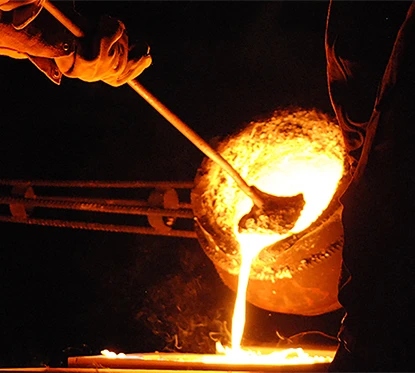
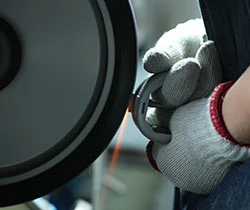
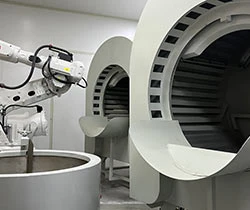
01Advanced Production Technology and EquipmentUse high-performance casting equipment and furnaces, such as vacuum induction melting, investment casting and other technologies, to ensure melting precision and casting quality.
-
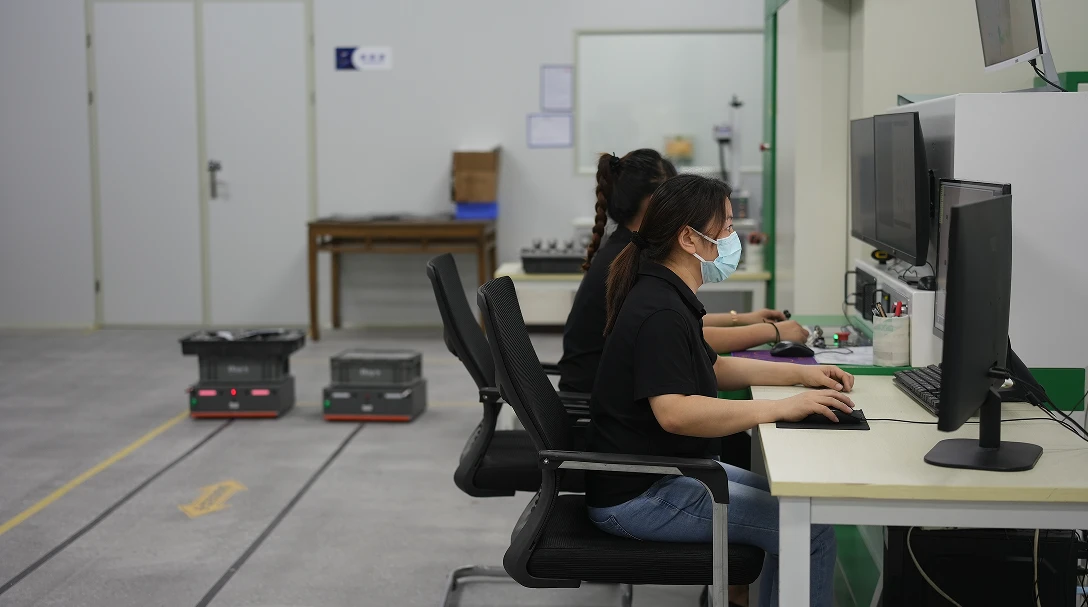
02Professional Technical Support ServicesWith a professional technical team and complete technical support services, we can provide customers with satisfactory products and customized processing services.
-
03Strict Production Management NormsEstablish a sound quality management system, formulate perfect production operation procedures, implement strict production process control and product quality inspection, in order to achieve the goal of high-quality casting.
Quick Response And Adequate Technical Support
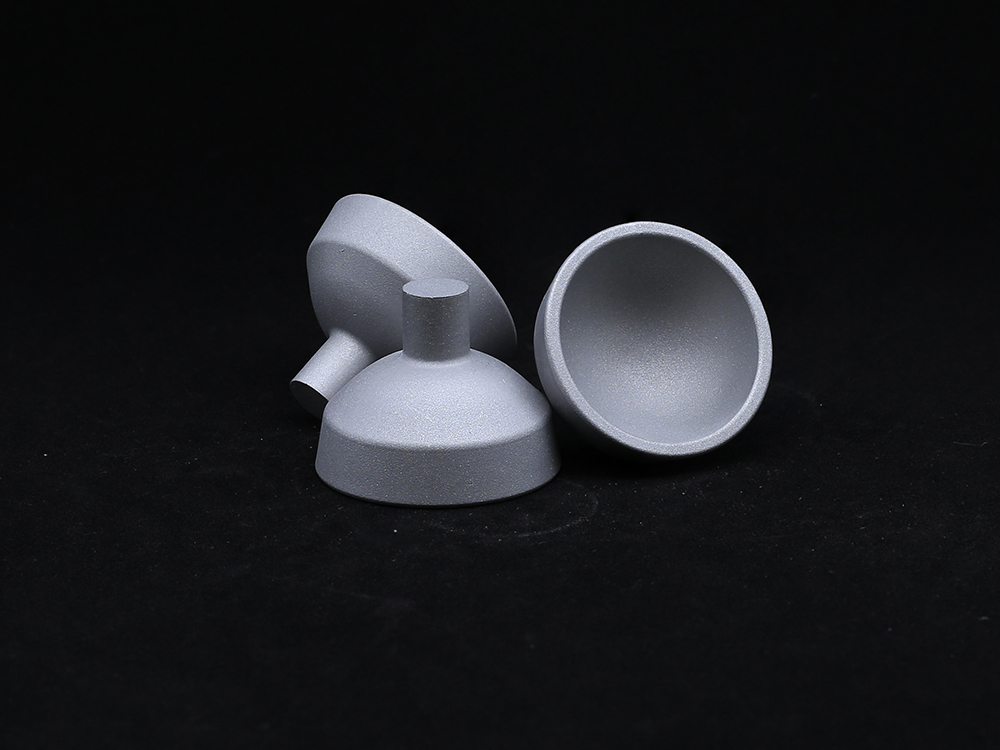
Visit Hebei Ruiyi Yuan Tong Technology Co., Ltd. — a professional manufacturer specializing in high-quality joint replacement components including femoral condyles, acetabular cups, tibial plates, and more.

china
Türkiye
India
Russia
Germany
USA
Switzerland
Argentina
NEWS
-
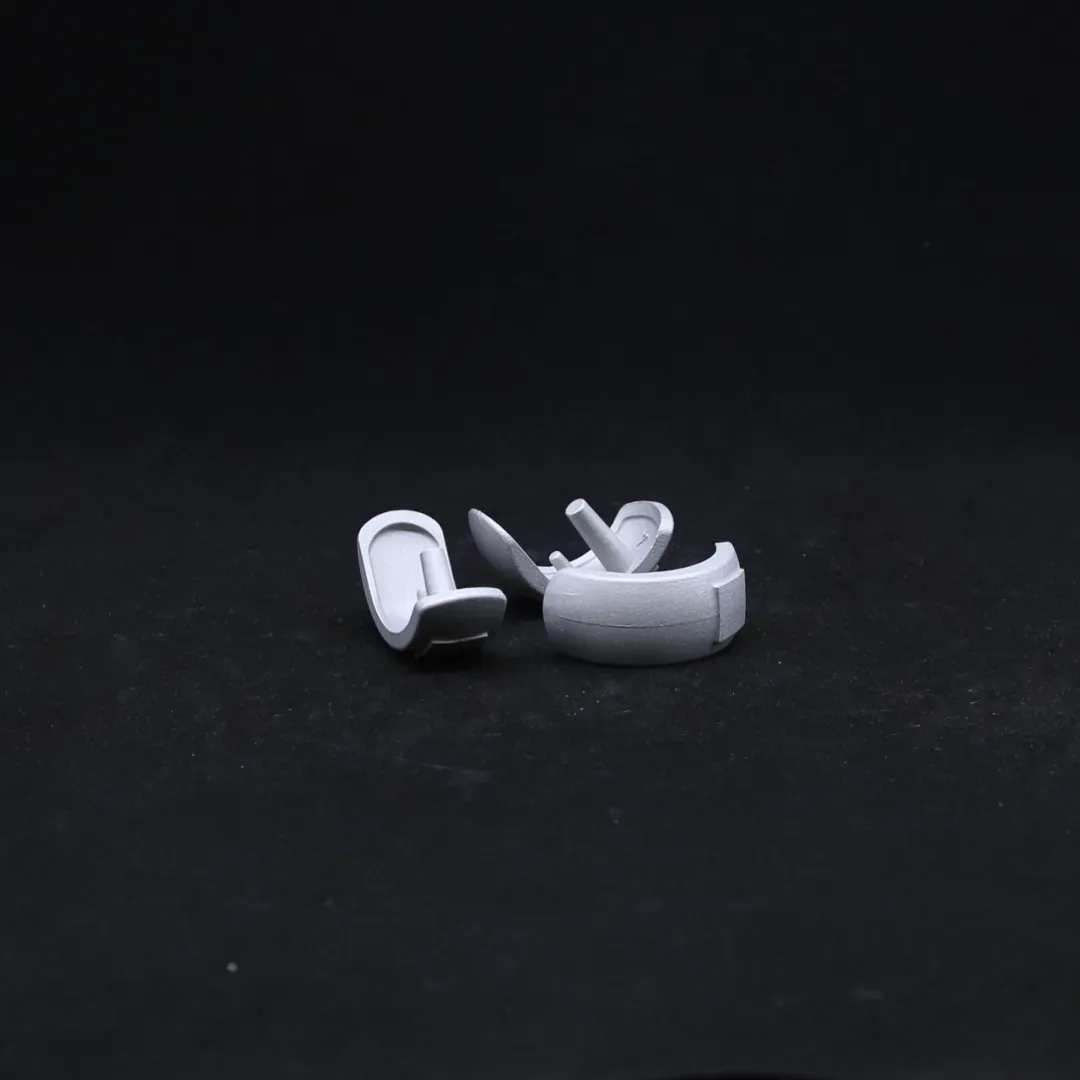
2026-04-05 04:312026-04-05 04:31Hip Socket Anatomy for Orthopedic Hip Implant SupplyIn the global orthopedic supply chain, wholesalers focused on hip joint components need a partner th>
-
2026-04-05 02:442026-04-05 02:44Revolutionizing Hip Replacement with the Acetabular CupWhen it comes to hip replacement surgeries, the acetabular cup plays a critical role in ensuring sta>
-
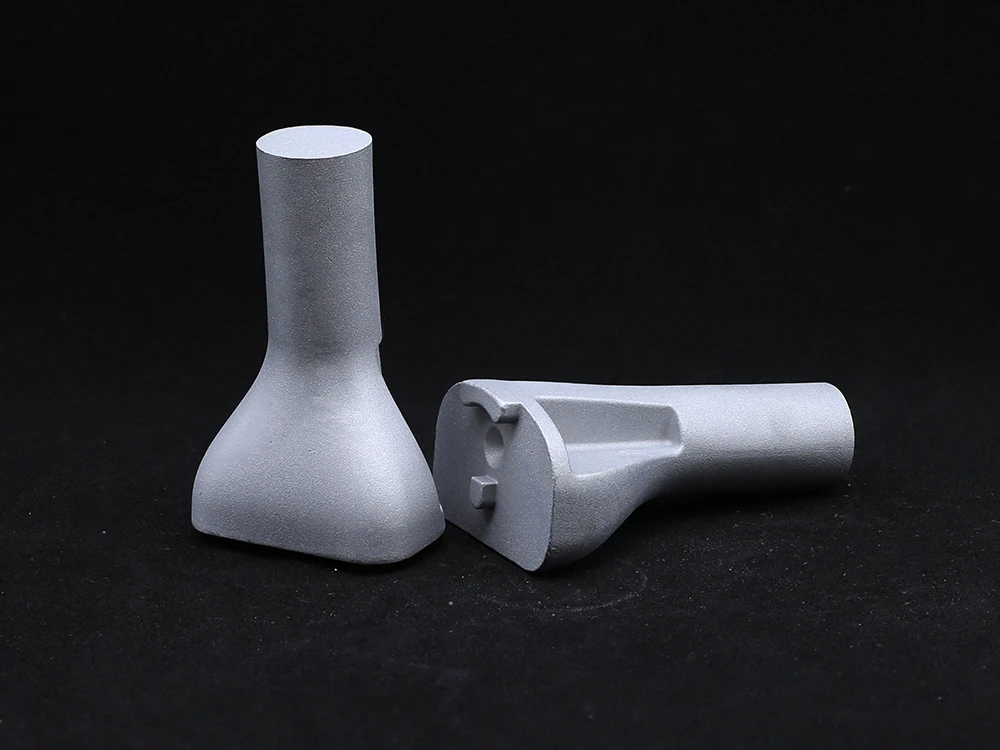
2026-04-05 02:162026-04-05 02:16Revision Femoral Condyle – Advanced Knee Revision SolutionsExplore the frontier of orthopedic implant technology with the Revision Femoral Condyle , a critical>

Get a Custom Solution!
Contact Us To Provide You With More Professional Services


